Weed Plant Drooping: Causes, Fixes, and Prevention Guide
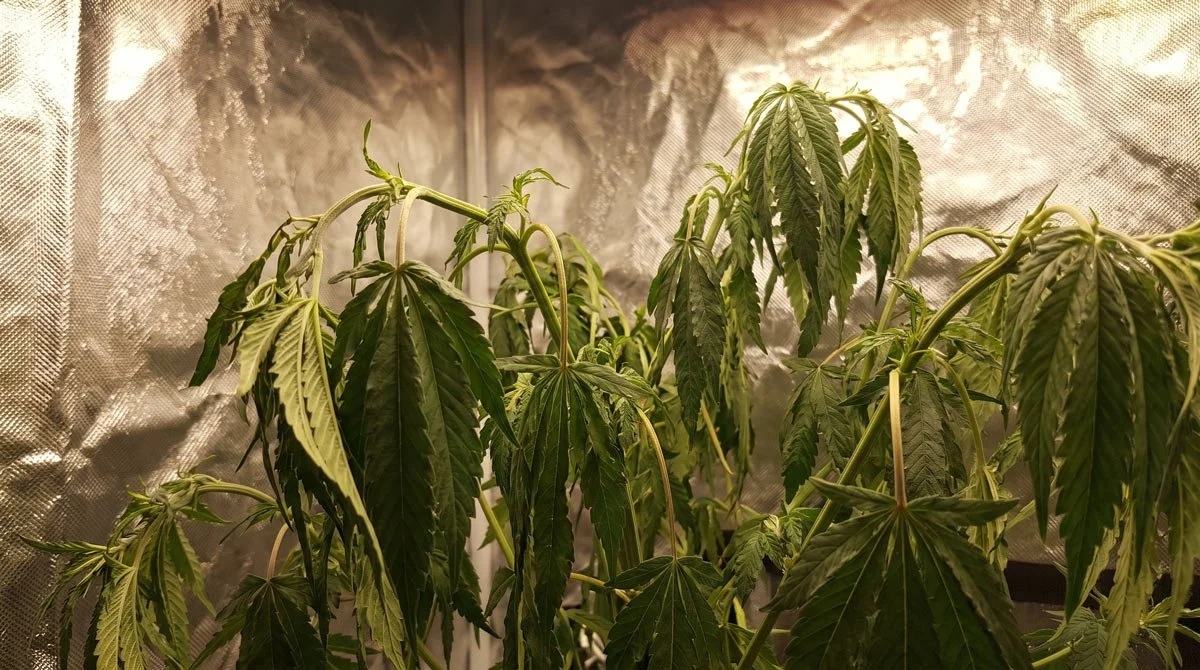
A weed plant drooping out of nowhere is one of the most disorienting problems a grower can face. Leaves that were perky yesterday are suddenly sagging, and the frustrating part is that completely opposite causes, like overwatering and underwatering, can look almost identical at first glance.
Each of the cannabis seeds you planted is precious so before you reach for the watering can or the fertilizer, slow down and diagnose correctly. This guide walks through every likely cause of wilting cannabis leaves, how to tell them apart, and exactly what to do if they start drooping.
What Does a Drooping Cannabis Plant Actually Look Like?
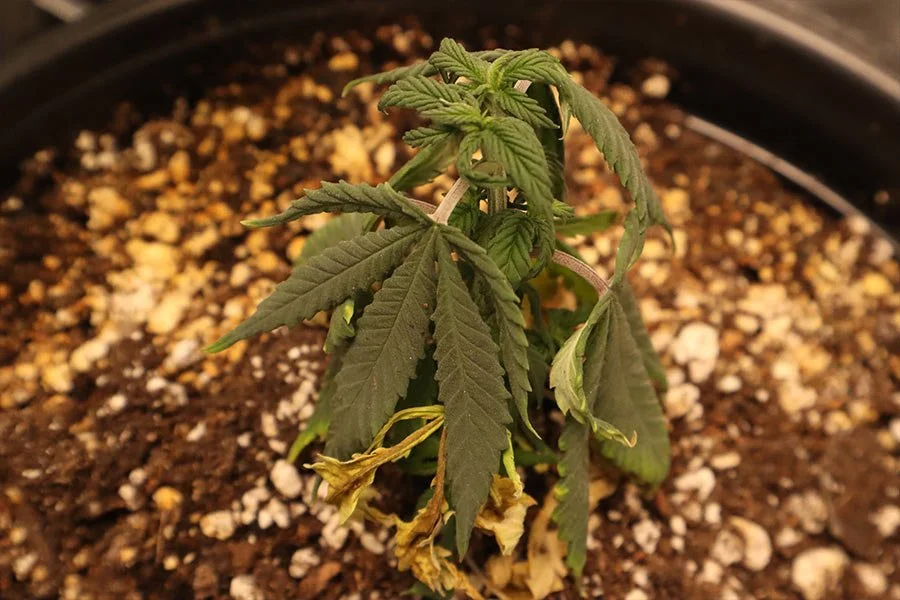
Drooping cannabis leaves lose their characteristic upward angle and hang flat or curl downward from the stem. The whole leaf tends to go limp rather than just the tip.
It's worth separating drooping from a couple of other common symptoms:
Curling (leaves cupping up or clawing down) points toward heat stress, nitrogen toxicity, or a pH problem.
Yellowing without drooping usually signals a nutrient deficiency rather than a water issue.
Wilting leaves with crispy edges are a classic sign of underwatering or heat stress.
True drooping, where leaves hang limp but stay green, most often comes down to water stress, root problems, or environmental pressure. The sections below break each cause down.
The Most Common Causes of a Drooping Weed Plant
Overwatering
Overwatering is the single most frequent reason cannabis plants droop, and it catches new growers constantly. When the growing medium stays saturated, the root zone is starved of enough oxygen.
Roots that can't breathe can't transport water efficiently, so despite sitting in wet soil, the plant actually struggles to absorb moisture. The result is soft, heavy wilting cannabis leaves on a plant whose soil feels soaking wet.
The fix starts with letting the medium dry out properly before the next watering. A reliable method is the lift test: pick up the pot when it's completely dry and again when it's freshly watered to learn the weight difference. Only water when it feels genuinely light.
Fabric pots help too, since they allow passive airflow to the root zone and make chronic overwatering harder to sustain accidentally. Always water until you see runoff from the container, then stop and wait.
Underwatering
Underwatering produces droopy leaves that look thin, almost papery, and tend to feel slightly crispy at the edges. Dry soil that pulls away from the sides of the pot is a dead giveaway. When cannabis plants don't get enough water, cells lose turgor pressure, the internal force that keeps leaves firm, and the whole canopy wilts fast.
Check the top inch of soil with your finger or a moisture meter. If it's completely dry and the pot feels very light, water thoroughly until runoff comes out of the drainage holes. The plant should recover its posture within a few minutes to a few hours of a thorough watering, depending on how dry it had become.
Overwatering vs. Underwatering: Completely Opposite Causes, Similar Symptoms
These two causes of weed plant drooping are frequently confused because both result in limp, wilting leaves. Here's a quick comparison:
| Sign | Overwatering | Underwatering |
|---|---|---|
| Leaf texture | Soft, heavy, swollen | Thin, slightly crispy |
| Soil condition | Wet, dense | Dry, pulling from pot edges |
| Pot weight | Heavy | Very light |
| Leaf color | Usually still green | May show yellowing at edges |
| Recovery speed | Slow (hours to a day or more) | Fast (within a few minutes to hours of watering) |
When in doubt, let the pot dry out further before watering. Overwatering is harder to recover from quickly than underwatering, and it plays a crucial role in the development of root rot if left unchecked.
Root Rot
Root rot develops when roots sit in poorly drained, oxygen-deprived conditions for too long, usually as a direct consequence of chronic overwatering. The roots turn brown and mushy, and their ability to absorb water and essential nutrients collapses.
Above the soil, the plant droops steadily and may show yellowing leaves alongside the wilting. Left untreated, root rot can eventually kill a cannabis plant that appeared healthy just weeks before.
To check, gently remove the plant from its pot and inspect the root zone. Healthy roots are white or light tan and firm. Rotted roots are brown, slimy, and may smell sour. Treatment involves trimming away affected leaves and roots, treating with a diluted hydrogen peroxide solution, and repotting into fresh, well-draining growing medium. Proper drainage from the start is the best prevention.
Heat Stress and Too Much Light
Cannabis plants droop under intense heat as a natural plant response to reduce the leaf surface area exposed to hot, dry air. Heat stress typically appears in plants positioned too close to grow lights or in outdoor grows during a heat spike.
Too much light intensity concentrated on the upper canopy causes the same drooping response, even when temperatures seem manageable at floor level. Check the temperature at canopy level. If it's pushing above 85°F, raise the grow lights, increase airflow, or use air conditioning to bring temps back into range.
Light intensity should be appropriate for the specific plant's current growth stage: seedlings and young plants need far less intensity than mature plants in the flowering stage. Outdoors, a shade cloth during peak afternoon heat protects plants on hot days.
Environmental Stress and Poor Airflow
Stagnant air creates a hostile environment for cannabis plants. Without proper airflow, heat and humidity build around the leaves, stomata struggle to function, and drooping follows. High humidity levels above 70% also invite mold and mildew, adding further stress to the plant's health and slowing plant growth significantly.
Add oscillating fans to keep air moving across and under the canopy. Keeping humidity levels in a stable environment, between 50–70% during the vegetative stage and 40–50% in the flowering stage, makes a measurable difference to how plants respond to other stressors. Proper airflow also strengthens stems over time, making plants more resilient overall.
Nutrient Deficiencies and Imbalances
When cannabis plants lack key nutrients, their ability to maintain healthy cell function breaks down, and wilting leaves often appear alongside other visible symptoms. A nitrogen deficiency typically shows as yellowing that starts on older lower leaves before the whole plant begins to look tired and droopy.
Calcium plays a crucial role in cell wall integrity, and a deficiency can cause drooping combined with distorted new growth. Persistent nutrient issues left unaddressed can lead to stunted growth across the entire plant.
Regularly monitor nutrient levels and pH together, since nutrient imbalances often come down to pH being out of range rather than the nutrients themselves being absent. For soil grows, a pH of 6.0–7.0 keeps most nutrients available.
In hydro or coco, stay between 5.5–6.5. Adjust pH balance first before adding more nutrients, since a plant struggling to absorb what's already in the medium won't benefit from more being added.
Salt Buildup in the Growing Medium
Over time, salt buildup from repeated nutrient feeding accumulates in the root zone and creates nutrient lockout. The specific plant can't absorb water or nutrients even when both are present. Drooping, stunted growth, and brown leaf tips together are a common signal that a flush is overdue.
Flush the growing medium with plain, pH-balanced water, roughly three times the pot's volume, to wash excess salts out via the runoff container. After flushing, allow the medium to dry slightly before reintroducing a lighter nutrient mix. Routine flushes every few weeks prevent salt buildup from becoming a recurring problem and keep plants thriving through late flower.
Pests
Spider mites, fungus gnats, and aphids all contribute to drooping cannabis leaves, especially when an infestation goes undetected. Spider mites damage plant cells directly, disrupting the plant's ability to retain water. Fungus gnats damage root systems in the soil, mimicking the effects of root rot. Aphids create sticky residue that blocks stomata and stresses the plant over time.
Early detection is the most effective form of pest management. Regularly inspect the undersides of leaves and the top layer of soil. Sticky traps placed near the base of plants catch fungus gnats before populations explode.
For spider mites and aphids, organic pesticides such as neem oil are an effective and widely available option. Introducing beneficial insects, such as predatory mites for spider mite control, is a practical biological approach for growers who want to avoid chemical sprays on affected leaves.
Drooping at Different Growth Stages
Vegetative Stage
Drooping cannabis leaves in the vegetative stage most often point to watering issues or environmental stress. Plants in veg are growing rapidly and have high water demand, but roots are still establishing. Inconsistent watering schedules are the most common culprit at this stage, and they're also the easiest to fix.
Flowering Stage
In the flowering stage, drooping carries more urgency. Root rot, nutrient imbalances, and heat stress all have a bigger impact on a plant directing energy toward bud development. Monitor nutrient levels closely and maintain a stable environment throughout flower.
Drooping during late flower can also be natural as heavy buds weigh branches down. Staking or trellising plants ahead of time prevents structural drooping from being mistaken for a health problem.
Quick Diagnostic Checklist for a Drooping Weed Plant
Work through this before making any changes:
Is the soil wet, dry, or just right? (lift the pot)
What does the root zone look like? (check for brown, mushy roots)
What's the temperature at canopy level?
What are the humidity levels in the grow space?
Is airflow reaching the lower canopy?
Any signs of pests on the undersides of leaves or in the soil?
When did you last flush, and are you feeding consistently?
What's the current pH of your water or nutrient mix?
One accurate diagnosis beats three rushed fixes. Early detection of the real cause is what separates a minor setback from a plant that struggles for weeks before recovering.
Conclusion
A drooping weed plant is a signal, not a sentence. The most common causes are overwatering, underwatering, heat stress, root rot, poor airflow, and nutrient issues, and most are fixable once you've correctly identified what's going on.
Diagnose before you intervene: check soil moisture, root condition, temperature, and the presence of pests before reaching for any solution. Early detection makes the difference between a quick correction and weeks of a plant struggling to recover.
Healthy cannabis plants start with good genetics. Browse Seed Supreme's full range of feminized seeds or autoflower seeds to find strains suited to your setup and growing style.
FAQs
-
Drooping right after watering usually signals overwatering or poor drainage. If the growing medium stays saturated, roots lose access to enough oxygen and struggle to function. Let the soil dry out more between waterings and make sure the pot has proper drainage holes to allow runoff.
-
Yes. Most cannabis plants recover fully once the underlying cause is addressed. Underwatering typically resolves within a few minutes to hours of thorough watering. Overwatering recovery can take a day or two as the medium dries out. Root rot and pest damage take longer but are manageable with prompt treatment and early detection
-
Drooping combined with yellowing often points to nutrient deficiencies, root rot, or chronic overwatering. Check pH balance first, since nutrient lockout caused by pH being out of range is a frequent culprit. Inspect roots for rot, and review your feeding schedule before adding more nutrients to a plant that may already be struggling to absorb what's in the medium
-
Yes. Too much light intensity, or a light source positioned too close to the canopy, causes wilting cannabis leaves as a stress response. The affected leaves closest to the light source are typically the first to droop. Raising the grow lights and checking light intensity against the manufacturer's recommended distance for the specific plant's growth stage usually resolves it within 24 hours.
-
Consistent temperature, humidity levels, airflow, and a reliable watering schedule are the foundation of a stable environment for plants thriving long-term. Aim for 70–80°F at canopy level, humidity between 50–70% in veg and 40–50% in flower, and steady air circulation throughout the grow space.