Hermaphrodite Cannabis: Causes, Signs, and How to Prevent It
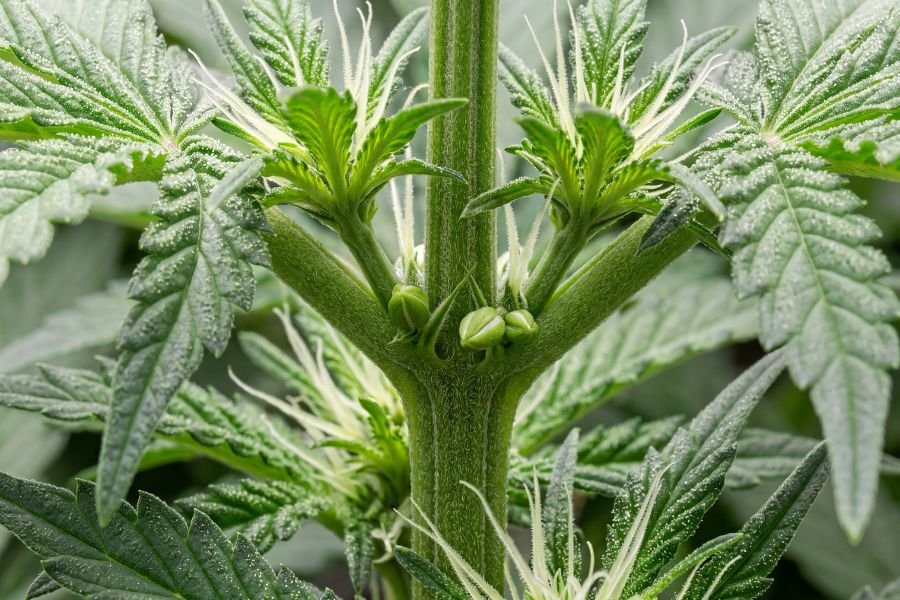
One hermaphrodite cannabis plant left undetected during the flowering stage can release pollen across your entire grow room, seeding every female plant in reach and turning a sinsemilla (seedless) crop into something far less valuable. The damage happens fast since pollen sacs can open within hours, and by the time most cannabis growers notice, the entire harvest is already at risk.
This guide covers what hermaphrodite cannabis plants are, what drives female cannabis plants to develop male flowers, how to identify the two main types before the damage spreads, and the practical steps that protect your grow from accidental pollination.
What Is a Hermaphrodite Cannabis Plant?
Cannabis is naturally a dioecious species. Dioecious plants produce separate male and female specimens rather than carrying both sexes on the same plant. Female cannabis plants develop the dense, resin-rich cannabis buds growers cultivate, while male plants produce pollen. Under normal conditions, those roles stay separate.
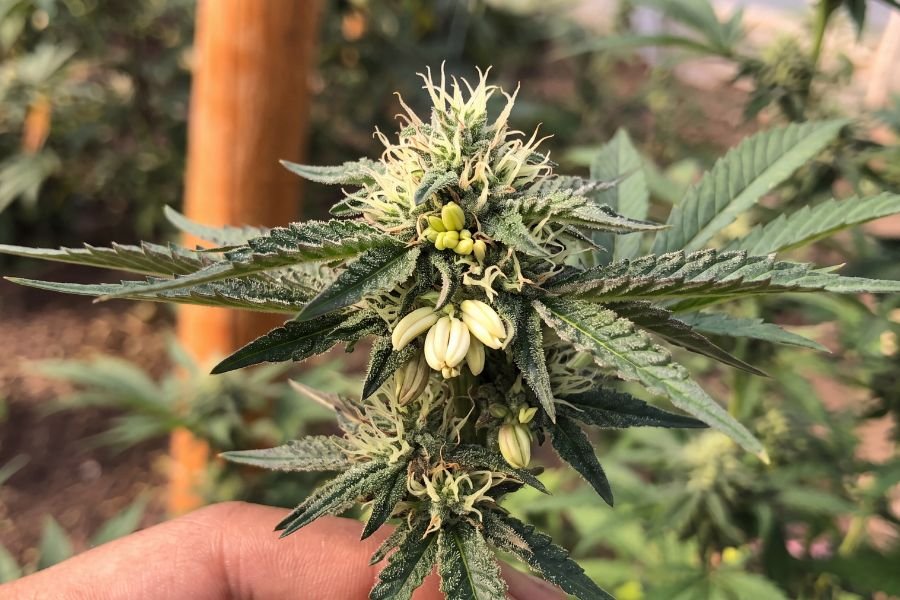
A hermaphrodite cannabis plant breaks that separation. It’s a genetically female plant that develops male reproductive organs alongside its female flowers on the same plant, giving it the ability to self-pollinate. The result is seeded buds, reduced cannabinoid and terpene production, and potential ruin across the entire crop if pollen spreads to other female plants.
The Two Types of Hermaphrodite Cannabis Plants
Not all hermaphroditic plants behave the same way, and the distinction matters when deciding how to respond.
True hermaphrodites carry a genetic predisposition for developing both male and female flowers simultaneously, producing distinctly formed pollen sacs at the nodes alongside female flowers. The trait is embedded in the genetics; environmental stress accelerates it, but stable growing conditions alone will not reliably prevent it.
Certain landrace sativa cannabis varieties, particularly Thai lineages, are known to carry this trait more consistently than others.
Bisexual flowers (bananas) are the more common type encountered when growing cannabis. These are genetically female plants that only express male structures because something in their environment has pushed them toward a survival response.
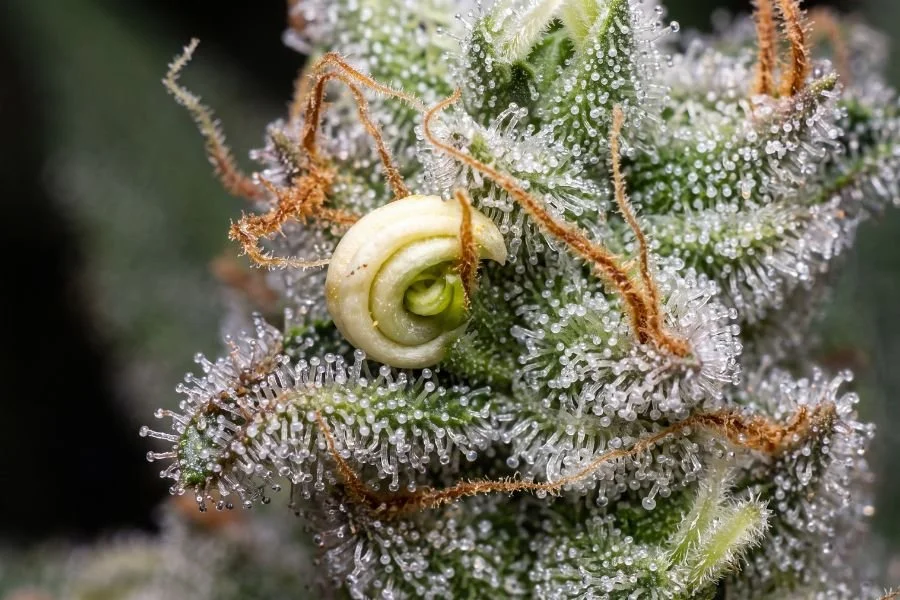
Unlike true hermaphrodites, bananas can sometimes be managed by identifying and correcting the underlying stress before unwanted pollination and crop damage occur.
What Causes Hermaphroditism in Cannabis?
Hermaphroditism in cannabis comes down to three overlapping factors: genetics, environmental stress, and the way cannabis seeds are produced. In most cases, two or more of these are at play at the same time.
Genetics
Some cannabis strains carry hermaphrodite tendencies as a recessive trait in their life cycle. A plant may develop as a clean female under ideal conditions but express hermaphrodite flowers the moment environmental stress enters the picture.
Breeding errors can introduce hermaphroditic traits into otherwise stable lines, particularly during feminized seed production where imprecise stress methods or unstable parent plants are involved.
Hermaphroditic cannabis can pass a higher risk of the trait to its offspring. Seeds produced by hermaphroditic plants typically grow into female plants but may be more likely to express hermaphroditic traits, particularly under stress. High-quality genetics from a reputable cannabis seed bank are the first and most reliable line of defense.
Environmental Stress
Environmental stress is the most common trigger in cannabis cultivation, even among marijuana plants with no clear genetic predisposition. Cannabis is wired for survival. When environmental factors signal that a plant risks dying without reproducing, it shifts strategy, developing male flowers to create seeds before it’s too late.
The main environmental stressors known to trigger hermaphroditic cannabis include:
Light leaks during the dark cycle: Even brief light exposure during the flowering stage can disrupt hormonal balance and prompt male flower development. Light leaks are among the most commonly overlooked causes in indoor grows.
Temperature swings: Significant fluctuations between day and night temperatures place cannabis plants under chronic stress. Consistent temperature management during the flowering phase is critical.
Physical damage: Topping or supercropping without adequate recovery time can stress cannabis plants into producing hermaphroditic flowers.
Nutrient imbalances: Both deficiencies and excess feeding, particularly late-cycle nitrogen toxicity, are documented triggers across a wide range of cannabis varieties.
Overripe cannabis buds: Plants left in the bloom phase past their optimal harvest window may produce bananas as a last-resort survival response. The plant perceives it has not been pollinated and creates seeds itself rather than end its life cycle without reproducing.
Seed Manipulation
Feminized seeds are produced by stressing genetically female plants into producing male pollen, which is then used to pollinate other female cannabis plants. Done carefully with stable parent genetics, the resulting cannabis seeds are overwhelmingly female. Done poorly, the seeds carry a meaningfully higher risk of developing mixed sex buds or hermaphrodite flowers under cultivation stress.
How to Identify Hermaphrodite Cannabis Plants
Catching hermaphroditism early is the most important thing any grower can do. Pollen sacs can open within hours, and a single release can reach every unpollinated female flower in a sealed grow room before there is any visual sign of pollination.
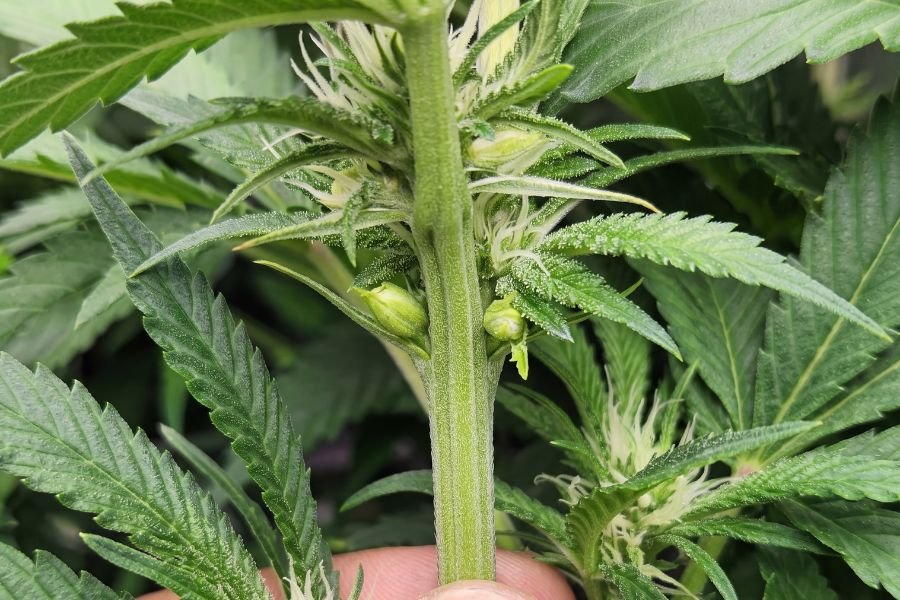
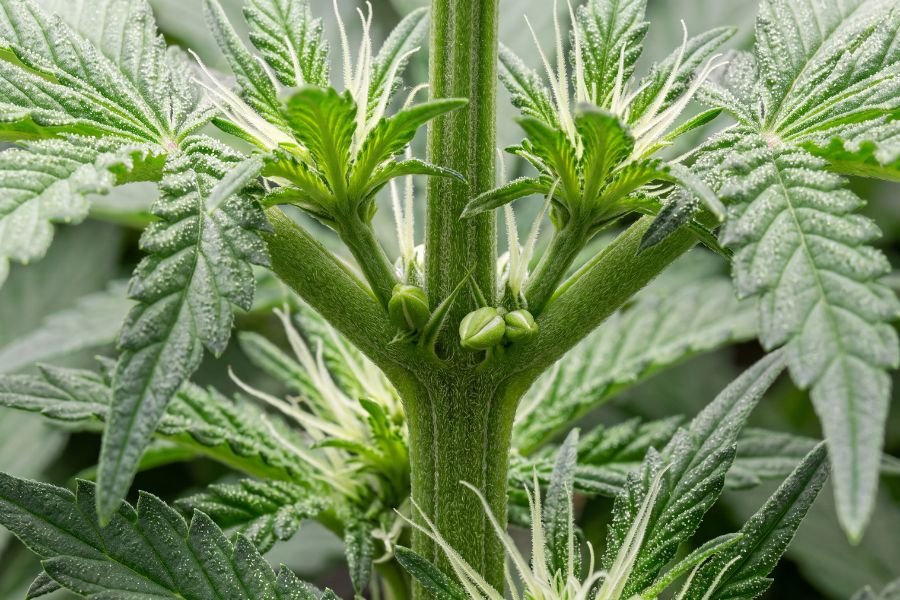
At the nodes: True hermaphroditic plants develop visible pollen sacs at the same sites where female calyxes form. Pollen sacs are rounder and more structured than female calyxes, and they do not show the white pistils that female reproductive organs display. Any round, grape-like cluster at a node without a visible hair needs immediate attention.
Inside the buds: Bananas tend to hide within the bud structure, nestled between female flowers rather than sitting exposed at the nodes. They’re easy to miss during a quick visual pass, particularly in dense canopies. During the flowering stage, inspect bud sites thoroughly every few days, not just the plant's outer surface.
During the vegetative stage: Some cannabis plants with a strong genetic tendency toward hermaphroditism begin showing early signs during pre-flowering. Checking plants carefully as they transition from the vegetative stage into flowering gives growers the earliest possible warning window.
During late bloom: Cannabis plants approaching the end of their flowering cycle carry the highest risk of producing late-stage bananas. Harvesting at the right time, rather than pushing plants beyond what their genetics allow, reduces this risk considerably.
If you confirm male structures on a plant, handle it carefully. Agitation can release pollen from sacs that have not yet opened fully.
How to Prevent Hermaphrodite Cannabis
Prevention starts before a single seed goes in the ground and carries through every stage of the grow. Most cases of hermaphroditism are avoidable, and the ones that aren’t are usually caught early enough to contain.
Start With High Quality Genetics
The most reliable prevention is sourcing cannabis seeds from a trusted seed bank with a track record of genetic stability. At Seed Supreme, the catalog is built around verified genetics from established breeders, reducing the baseline risk before a single cannabis seed germinates.
Control Environmental Factors Consistently
During the flowering stage, consistency across all environmental factors is the goal. That means a strict 12/12 light schedule with zero interruptions to the dark period, stable temperatures with minimal day-to-night swings, no physical damage to cannabis plants without adequate recovery time, and feeding schedules matched to the plant’s actual stage and nutritional needs.
Seedless buds come from unpollinated female flowers that have been allowed to develop without disruption. Protecting that environment from light leaks, temperature instability, and other plants introducing stress is how growers protect it.
Time Your Harvest Correctly
Pushing cannabis plants past peak ripeness to extract more from the bloom phase is one of the more avoidable causes of late-stage hermaphroditism. Monitor trichome development and harvest within the appropriate window. Mature seeds forming in previously clean buds are often the first sign a grower has waited too long.
What to Do If You Find a Hermie Plant
Early discovery, no open pollen sacs: Remove the plant from the grow space immediately. Cover it with a plastic bag before moving it to contain any pollen release during transport. Dispose of it away from other flowering plants.
Late-stage bananas in advanced flowering: If hermaphrodite flowers appear in the final weeks and pollen release has not been confirmed, some growers choose to harvest early rather than remove the plant. Assess the situation based on how far along the crop is.
Pollen already released: Inspect every remaining plant thoroughly. A light misting of water across surfaces can help neutralize airborne pollen, as moisture deactivates it quickly. Check other female plants in the grow room carefully over the following days for signs of pollination.
Plants that have shown hermaphroditic traits should not be used as clone mothers, regardless of cause. Even stress-induced hermaphroditism carries a risk of passing those tendencies forward into the next generation of cannabis plants.
Conclusion: How to Keep Hermaphrodite Cannabis Out of Your Grow
Hermaphrodite cannabis has two distinct roots in genetics and environment, and managing it means addressing both. Stable cannabis seeds from a reputable source set the right foundation, but even strong genetics can express hermaphroditic traits when growing conditions are inconsistent, or plants are pushed past their limits during the flowering phase.
The cannabis growers who avoid hermie problems most reliably are the ones who build conditions where hermaphroditism rarely gets a foothold. Browse the Seed Supreme catalog to find cannabis varieties with verified genetic stability and take one of the biggest variables off the table before your next grow begins.
FAQs
-
Yes, hermaphrodite cannabis plants can still produce buds, but quality is typically reduced. Pollinated flowers redirect energy from cannabinoid and terpene production into seed development, producing smaller and less resinous cannabis buds. Seeded cannabis is also significantly harder to process for sale or personal use.
-
Yes, seeds produced through hermaphroditism tend to grow into female plants, but they carry a higher likelihood of expressing the same traits under stress. Growing them out is a calculated risk, and one that increases considerably if the parent was a true hermaphrodite rather than a stress-induced case. These cannabis seeds are not suitable for breeding programs.
-
Male cannabis plants develop pollen sacs as their primary sex expression from early in the flowering stage, they do not carry female flowers at any point in their life cycle. Hermaphroditic cannabis plants are genetically female and develop male structures alongside existing female flowers on the same plant. The two are distinct in both origin and appearance.
-
Once pollen sacs open, pollination across other female plants can occur within hours. Pollen is lightweight and travels easily through air circulation. A single open pollen sac on one plant can reach every flowering female in a sealed grow room, making early detection the only reliable way to prevent accidental pollination.
-
No. Feminized seeds dramatically reduce the risk of male plants appearing in a crop, but they don’t eliminate hermaphroditism entirely. Cannabis plants grown from feminized seeds can still develop male and female flowers under significant environmental stress, particularly if the original cannabis seeds carry any latent hermaphroditic traits.