Benefits of Cannabis Clones for Growers and Enthusiasts
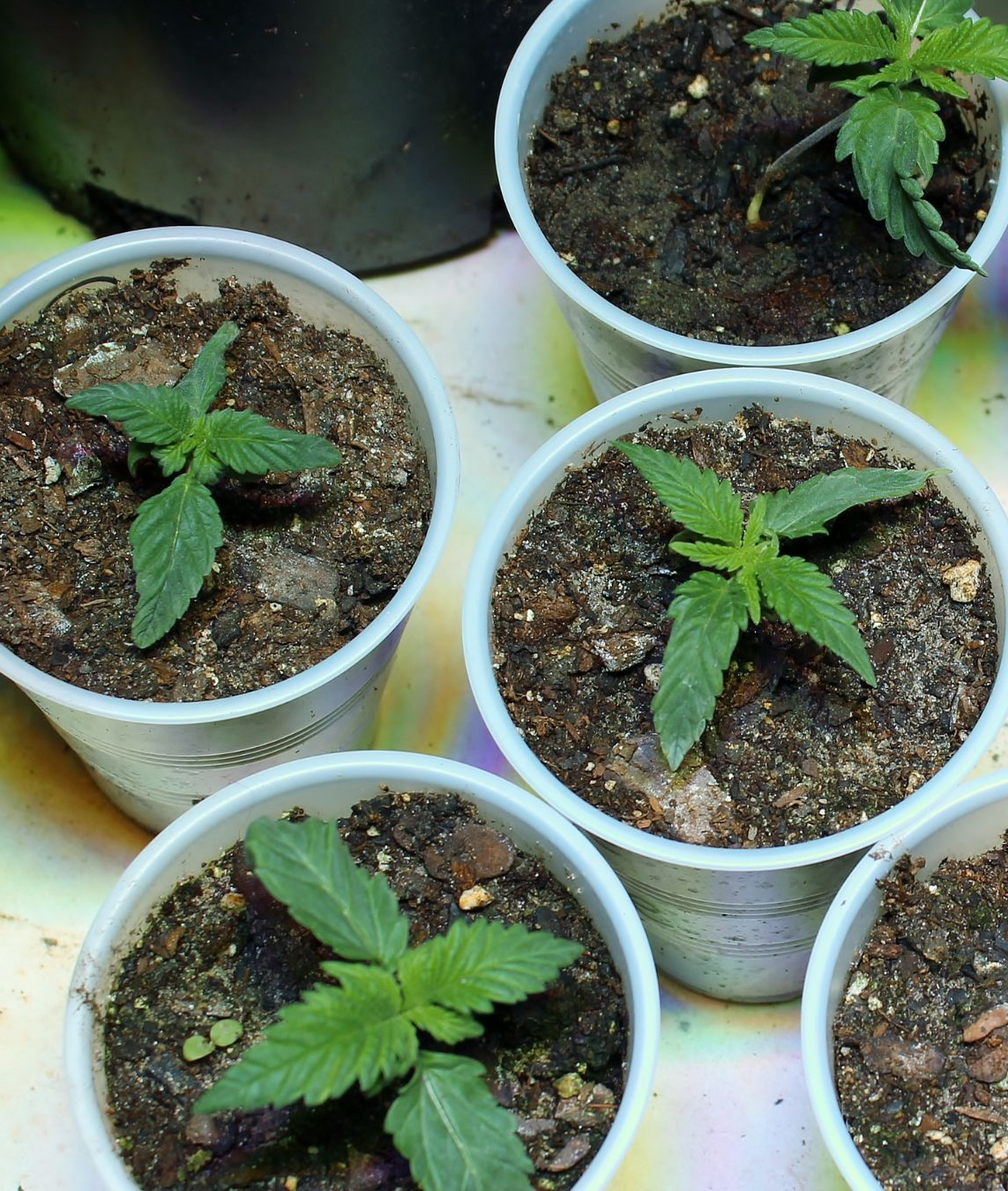
Selecting a cannabis clone involves considering strain traits, potency levels, growth time, and yield potential.
When it comes to cannabis cultivation, there’s more than one way to grow, and taking cuttings from a plant you found and loved, also known as a “keeper,” might just be the shortcut you didn’t know you needed. Cloning offers several advantages that go beyond saving time.
From preserving prized genetics to producing more consistent harvests, clones offer growers greater reliability and reduced genetic variability compared to starting from seed.
Please note that clones are sold or shipped as dormant plant cuttings, which do not contain THC. Readers are responsible for complying with their local cultivation laws. Please check your local and state laws regarding clone possession, home cultivation, and transport before ordering anywhere.
More Disclaimers: NOT FOR SALE OR TRADE. The following post features content about cannabis cultivation and other related substances that are illegal under federal law as well as under state law in certain states. This content has been produced by Thunderbird Disco - located in the Commonwealth of Virginia - for educational and entertainment purposes only. All cultivation described below was completed in accordance with Virginia law as authorized in § 4.1-1101 Home cultivation of marijuana for personal use; penalties.
Understanding Cannabis Cloning
Cloning cannabis plants is a powerful technique that allows cultivators to reproduce their best plants again and again, without starting from scratch. The process involves taking a cutting from a healthy, mature cannabis plant — often referred to as the mother plant — and encouraging root development so that it can grow into a genetically identical copy.
This method of creating genetically identical plants is a go-to strategy for preserving desirable traits like specific cannabinoid profiles, unique flavors, vigorous growth patterns, and heavy yields. By replicating a standout mature cannabis plant, growers can skip the genetic guesswork and go straight to a known winner, supporting greater uniformity within and across cultivation cycles.
Why Choose Cannabis Cloning
Compared to growing from seeds, cloning can reduce early-stage time and provide a shorter overall production cycle under similar conditions. Because the genetics are predetermined, cultivators can expect similar growth patterns and trait potential, provided environmental conditions remain consistent.
In addition, if you are growing multiple plants, growing identical clones means they will most likely grow at the same rate, keeping an even canopy and a better distribution of light.
The Real Benefits of Cannabis Clones: Why More Growers Are Skipping Seeds
For cannabis growers who want to streamline their process and dial in quality, cloning is a reliable, results-driven way to grow. By taking cuttings from a proven plant, home growers and small-scale cultivators can preserve the traits they love and enjoy more consistent results from crop to crop.
Curious what makes cloning such a smart move for your grow? Let’s break down the biggest benefits of cannabis clones.
1. Genetic Consistency: What You See Is What You Grow
One of the biggest advantages of cloning is the ability to preserve the exact genetic traits of an exceptional parent plant. Whether you're after a specific terpene profile, reliable potency, or proven vigor, cloning locks in those qualities and passes them down to every new plant.
This kind of genetic preservation means you’re not rolling the dice each time you start a new grow. Instead, you're cultivating plants with the same genetic potential as the original, though final flavor, potency, and structure still depend on environmental factors.
For growers who value strain identity and want to meet consistent expectations, cloning offers a dependable path to repeat success.
2. Time-Saving and Efficiency: Get a Head Start on Every Grow
One of the biggest time advantages in growing cannabis from clones is that clones skip the early seedling stages entirely. Instead of starting from seed and waiting through germination, sprouts, and early development, you're working with a cutting that already has a head start-with established genetics and a growing root system.
This approach allows you to begin vegetative growth immediately, potentially reducing total production time compared to starting from seed. For growers running multiple harvests per year or working with limited space, cloning is a smart way to tighten your turnaround without sacrificing quality.
3. Cost-Effectiveness: More Value from Every Plant
Cloning isn’t just about growing smarter; it’s about saving money while doing it. By taking cuttings from your best-performing plants, you can keep growing top-shelf cannabis without buying new seeds for every cycle. That adds up quickly, especially for frequent growers or anyone scaling up their operation.
You also avoid the gamble of ending up with male plants when growing from regular seeds, meaning less wasted time, space, and resources. With cloning, every plant has a purpose, and every harvest is a step toward even greater self-sufficiency.
4. Predictable Results: Know What You’re Getting Every Time
One of the biggest wins in cloning is predictability. When you clone a plant, you’re not just hoping for the best; you’re replicating a proven performer. That means the same genetic traits can be replicated in each new generation, assuming the mother plant remains healthy and pathogen-free.
This consistency makes it easier to plan your grow and dial in your environment for optimal high yields. No surprises, no outliers, just repeatable success from a plant you already know and trust. For growers who value control and reliability, cloning delivers exactly what’s expected, without the variability that often comes with growing from seed.
5. Disease Resistance: Strength in Proven Genetics
When it comes to plant health, starting with a clone from a strong, resilient mother plant gives you a real advantage. If that parent has shown resilience to certain environmental pressures, those genetic tendencies are replicated in each clone, though resistance is still influenced by growing conditions.
This doesn’t mean clones are immune, but it does mean you’re working with a plant that’s already proven its toughness in your environment. That makes it easier to maintain a healthy grow, spot problems early, and reduce the need for excessive interventions.
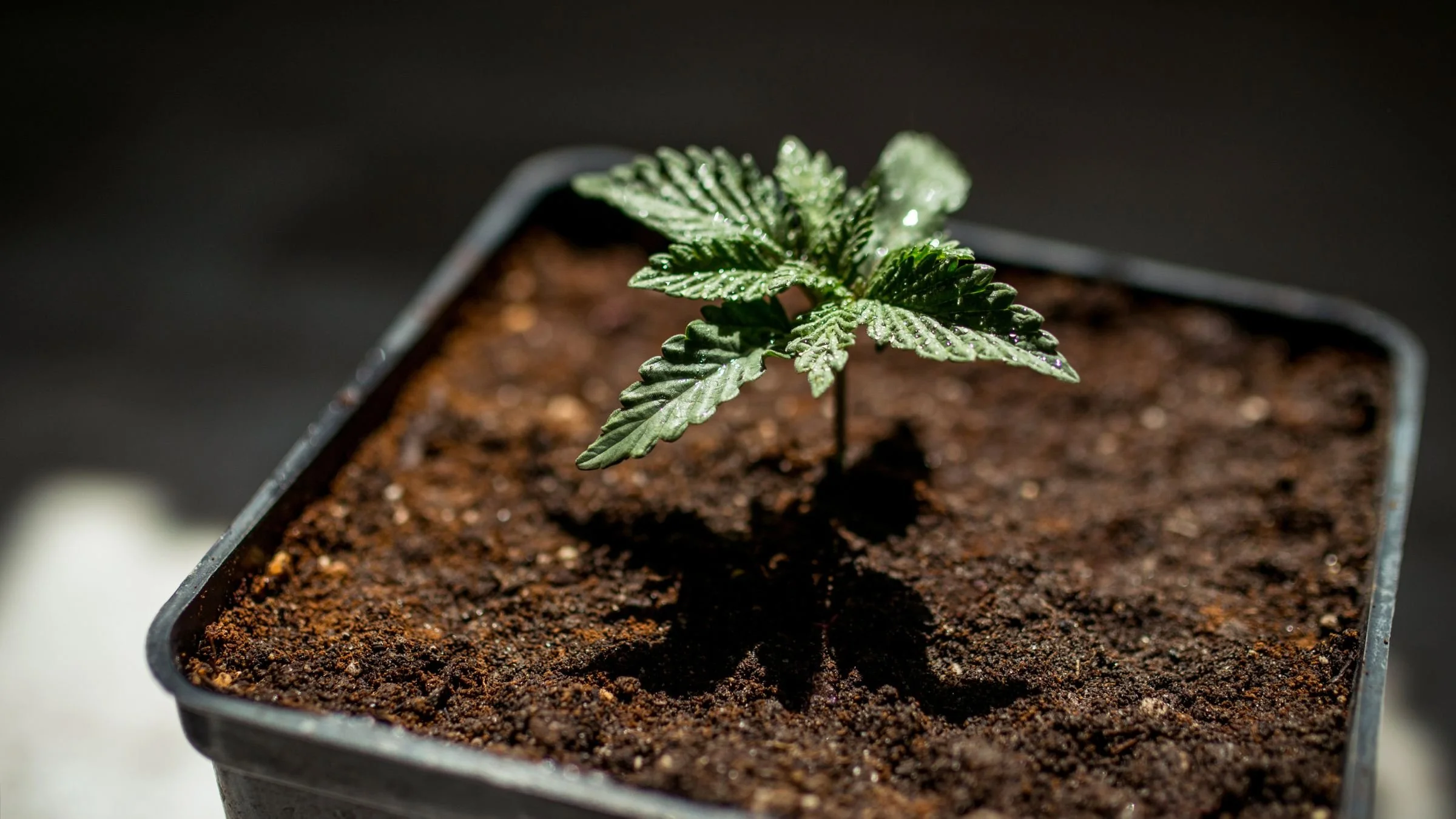
Cannabis seedling representing the early growth stage that develops from seeds rather than clones.
How to Choose the Perfect Cannabis Clone
Choosing a clone is a lot like choosing a seed. You’re not just picking a plant, you’re investing in your entire grow. That means looking at all the same key factors: strains, THC levels, yield potential, flowering time, and even medicinal properties if you’re growing for relief.
At Homegrown Cannabis Co., we’ve curated a refined catalog of clones so you can select with confidence, knowing every option is backed by proven genetics and grower trust.
Beyond the strain itself, here’s what to look for when selecting a healthy, high-potential clone:
Vibrant Leaves: Lush, green leaves are a strong indicator of overall health. Avoid clones with yellowing, wilting, or spotted foliage.
Strong Stems: A solid, sturdy stem means the plant can support growth and resist early stress.
Root System: If visible, roots should be white, fibrous, and well-developed—not brown or mushy.
Pest and Disease-Free: Always inspect for signs of pests or infections. A clean clone gives your grow the best possible start.
Size and Vigor: Look for compact, bushy clones that already show signs of vigorous, healthy growth.
Transplanting Your Clones
Once you’ve picked out your perfect clone, the next step is getting it settled into its new home. Our clones arrive already rooted in rockwool cubes or a similar medium, and transplanting them is a straightforward process, especially when you're working with healthy, well-established roots.
You’ll want to prepare your grow medium (soil, coco, or hydro), make sure conditions are warm and humid, and handle your clone gently to avoid disturbing its roots. If you’re taking fresh cuttings yourself, using a rooting hormone can help encourage stronger, faster root development.
If you want more details, check out our full guide to transplanting cannabis clones for step-by-step instructions, tips, and troubleshooting to make your transplant smooth and stress-free.
Clone Care After Transplant: Tips for a Smooth Start
Once your clone is in its growing medium-whether that’s soil or a hydroponic system-the goal is to ease it into its new environment with minimal stress. Here are some quick tips to help your young plant thrive:
Maintain a Consistent Temperature: Keep your grow space warm and stable, around 72–80°F is ideal. Sudden drops or spikes can slow early growth.
Control Humidity: Aim for higher humidity in the early days (60–70%) to keep clones hydrated, but make sure airflow is solid to prevent mold.
Watch the Leaves: Some slight yellowing leaves can happen as your clone adjusts, but ongoing discoloration may point to stress or nutrient imbalance.
Dial in the Right Light: Gentle, indirect light works best right after transplant. Too much intensity too soon can cause wilting.
Water Lightly and Evenly: Your clone’s roots are still settling in. Avoid overwatering, especially in soil, and make sure your growing conditions match the needs of your setup.
Adjust Based on Environmental Factors: Keep an eye on airflow, humidity, and temperature, and tweak as needed to keep your growing medium stable and supportive.
Things to Keep in Mind: Clones vs. Seeds
While clones offer speed, consistency, and a clear genetic roadmap, there are some important trade-offs to consider, especially if you’re weighing them against cultivating cannabis from seeds.
For starters, seed-grown plants tend to develop stronger taproots, which can contribute to overall vigor and resilience in certain conditions. Starting with new seeds also allows growers to explore a wider range of genetics, essential if you're hunting for unique phenotypes or want to maintain genetic diversity in your garden.
Additionally, some growers prefer the challenge and variability of growing from seeds, especially when it comes to selecting standout plants for future breeding projects. Germination may take longer, but for many, the journey from sprout to harvest is part of the reward.
It’s also worth noting that while clones can deliver a predictable yield, they’re only as good as the plant they came from, so choosing high-quality genetics is crucial. At Homegrown Cannabis Co., we take care of that part by offering vetted, pathogen- free and healthy clones from trusted lines.
In short, clones bring reliability, but seeds bring discovery. There’s value in both, and your choice depends on your grow goals and appetite for experimentation.
Final Thought: Clone Smarter, Grow Better
Cloning has become an invaluable tool in the cannabis industry for good reason. By preserving the genetic makeup of standout plants, growers can produce new plants that deliver the same reliable quality, traits, and performance time after time.
For home growers and small-scale cultivators alike, cloning offers a streamlined path to a successful harvest, with faster flowering, reduced guesswork, and greater control. Whether you're looking to maintain a favorite strain, maximize your grow cycles, or make the most of your chosen growing medium, cloning provides a proven way to grow with confidence.
In the end, it’s not just about replicating plants, it’s about replicating success.
FAQs on the Benefits of Cannabis Clones
If you’re still curious about cloning weed or want quick answers before you start growing cannabis, here are a few of the most common questions growers ask. These quick FAQs will help you understand plant health, root development, and what to expect as your clones grow.
How Long Do Cannabis Clones Take to Grow?
Cannabis clones typically take 10–21 days to develop visible roots, depending on method, environment, and plant health. Once those roots are well-developed and the small plant starts pushing out new growth, you can move your clone into its main medium without slowing the growth rate.
What Is the Success Rate of Cloning Cannabis?
For most growers, the cloning success rate ranges from 70–90%, depending on light exposure, humidity, and how well the roots form during the first week. When clones stay too wet or get too much light, that number drops fast.
Is It Better to Grow Cannabis From Seeds or Clones?
It depends. Cannabis seeds offer genetic variety, a natural taproot, and a clean start with no risk of hidden pests, but they take longer and the results can be unpredictable. Clones grow faster, keep traits consistent, and skip the seedling stage, which is great for growers who want a reliable growth rate and predictable flower quality. The “better” option depends on whether you want variety and fresh genetics or faster, more controlled results.
Are Cannabis Clones Worth It?
Yes! Cloning weed reduces the need to keep buying seeds and eliminates waste from unproductive plants. Each cutting produces a female plant with the same genetic profile as the mother, provided the source plant is healthy and disease-free. Over multiple harvests, those savings add up fast, especially for growers running bigger setups.