Cannabis Clones Care: Essentials on How to Make Your Marijuana Clones Thrive
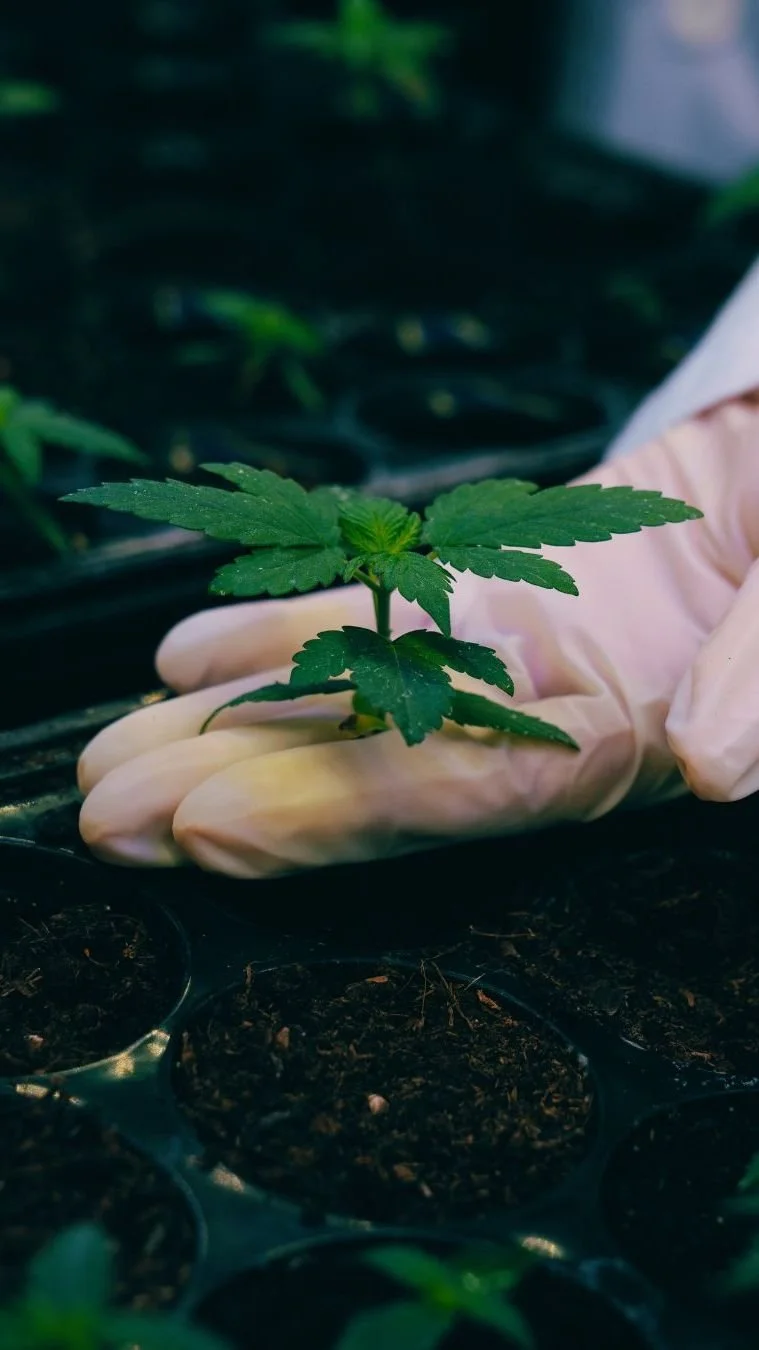
Caring for cannabis clones isn’t complicated, but it does require the right setup and a steady routine. I’ve enjoyed learning the full growing process, starting with seed germination, but if you want a head start, clones may be for you.
Whether you’re cloning weed from a strong mother plant or you’re an experienced grower looking to fine-tune your process, understanding how to clone cannabis the right way plays a major role in plant health and long-term success when growing cannabis.
Today, we’ll cover everything you need to know to help clones thrive, including selecting clones, preparing the environment, rooting techniques, nutrient management, vegetative growth, flowering, and harvesting.
Following these best practices ensures your marijuana plants grow consistently, maintain high quality, and maximize overall cultivation success.
Please note that clones are sold or shipped as dormant plant cuttings, which do not contain THC. Readers are responsible for complying with their local cultivation laws. Please check your local and state laws regarding clone possession, home cultivation, and transport before ordering anywhere.
More Disclaimers: NOT FOR SALE OR TRADE. The following post features content about cannabis cultivation and other related substances that are illegal under federal law as well as under state law in certain states. This content has been produced by Thunderbird Disco - located in the Commonwealth of Virginia - for educational and entertainment purposes only. All cultivation described below was completed in accordance with Virginia law as authorized in § 4.1-1101 Home cultivation of marijuana for personal use; penalties.
Why Use Cannabis Clones?
Cannabis clones are cuttings taken from a healthy mother plant, producing an exact genetic copy of that parent plant. It’s basically the same concept as growing tomatoes “from starts,” buying these young vegetable plants from your neighborhood garden store/nursery, instead of growing “from seed.”
Many growers prefer using clones as they provide consistent quality, predictable growth outcomes, and save time in multi-harvest setups. They also allow you to leapfrog that challenging early germination stage and jump to the vegetative stage, saving precious time.
If you’re not confident about where your seeds are sourced, using clones eliminates the genetic uncertainty of cannabis seeds germination, which can produce phenotypical differences. Clones also allow growers to preserve desirable traits and avoid genetic surprises that may occur when growing cannabis clones from cannabis seeds.
Marijuana clones develop strong roots quickly and establish themselves faster in a new growing environment. This fast growth helps them transition into the vegetative stage efficiently, allowing the grower to get into a rhythm with the plant and really dial in the selected phenotype.
Selecting Healthy Clones
Choosing thriving clones is essential for vigorous growth and strong development. Flourishing clones give your cannabis plants the best chance to thrive and consistently produce premium-quality buds.
The careful selection of clones sets the foundation for a successful growing cycle.
How to Identify Robust Clones
Flourishing clones should have compact stems, vibrant green leaves, and well-developed roots. Make sure to steer clear of marijuana plants that show stress, pest activity, or sluggish growth. Many growers also check for consistent branching and strong new growth as signs that the clone will hold up well long term.
Taking a moment to evaluate the clone’s overall structure gives you a good idea of how it will perform through veg and into flowering.
Signs of a Thriving Clone:
Strong, white roots that are well-developed
Vibrant green leaves without spots or discoloration
Compact, sturdy stems with even branching
No visible pests or signs of disease
Preparing the Growing Environment
Creating the right growing environment is crucial for cannabis clones to thrive. Factors like growing space, light exposure, temperature, humidity, and air circulation influence plant development and overall health.
Indoor vs Outdoor Cloning
Growing clones indoors allows for greater control over environmental conditions. Indoor setups often use grow lights to provide consistent hours of light and prevent stress from extreme weather.
Seasonal timing is vital outdoors, as sudden changes in temperature or light can shock a new clone. Outdoor growing exposes clones to natural light, fresh air, and more space, but environmental fluctuations and pests can impact plant well-being.
Many cultivators acclimate clones gradually when moving them outdoors, allowing plants to adjust to wind, direct sunlight, and humidity for optimal growth.
Choosing the Right Growing Medium
A proper growing medium is critical for root maturation and clone health. Soil, coco coir, and hydroponic systems each offer unique advantages for new clones.
Soil provides natural nutrients and stability
Coco coir improves aeration and moisture retention
Hydroponic systems support rapid growth with precise nutrient delivery
Light Requirements for Cannabis Clones
Marijuana clones require adequate light for proper plant growth and vegetative development. Direct sunlight is ideal outdoors, while grow lights replicate natural sunlight indoors. Adjust light intensity and hours according to plant stage, providing more intense light during vegging and indirect sunlight for young clones.
Rooting Cannabis Clones
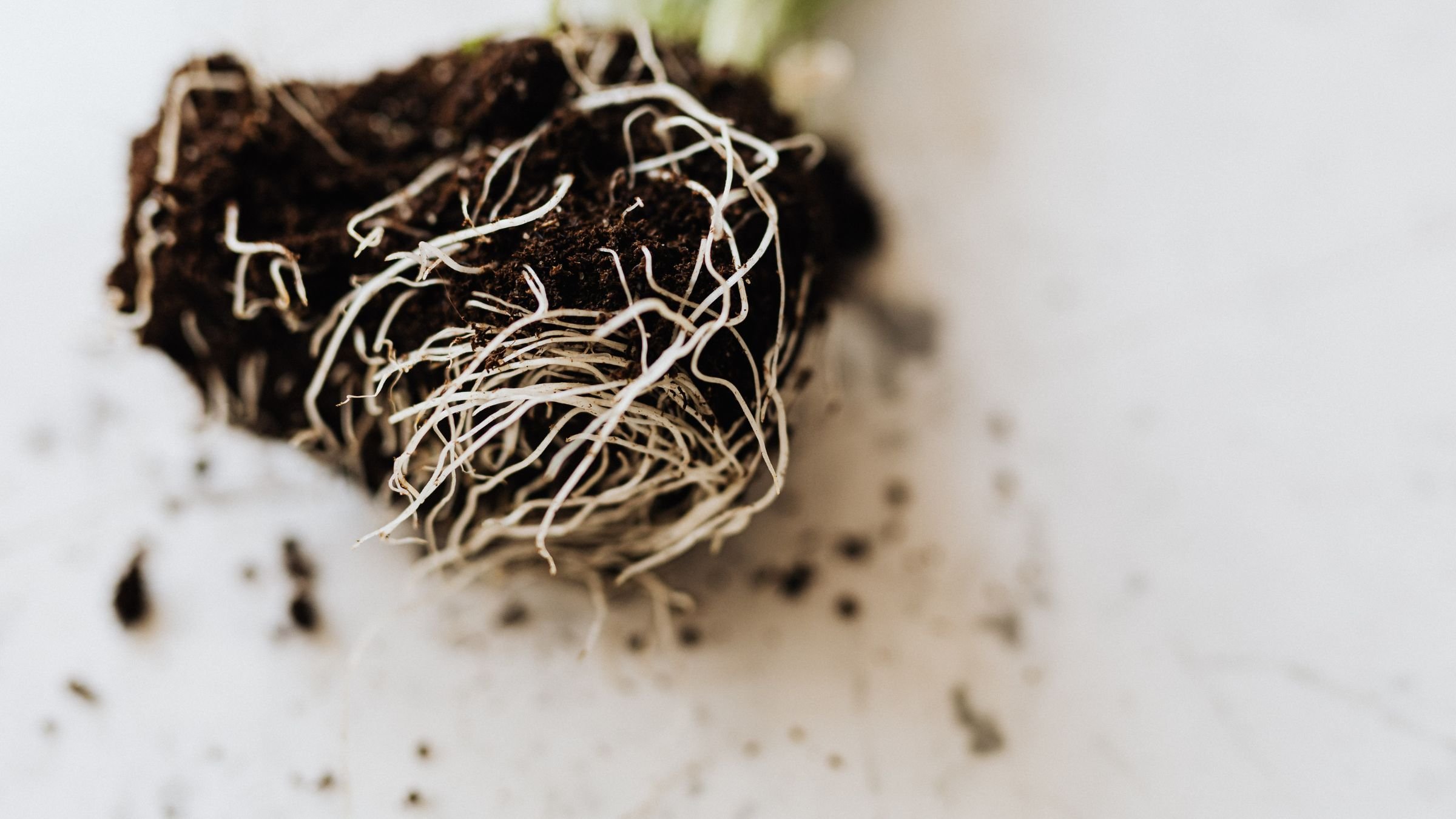
Root maturation is a critical stage for cannabis clones. A young plant typically begins to establish roots within about a week, establishing a strong foundation of vigorous growth. Healthy roots support steady growth and help cannabis clones to thrive in the vegging and flowering stages.
How Long Does It Take Clones to Root?
Most cannabis clones start developing roots within seven to ten days under optimal conditions. Factors like humidity, temperature, and exposure to light significantly affect how quickly roots form. Many cultivators monitor root progress carefully to ensure clones develop steadily without stress, wilting, or slowed development.
Rooting Clones in Water vs Soil
Clones can root in water or soil, each method offering unique advantages. Water propagation allows easier observation of root maturation. Soil, on the other hand, provides immediate nutrients for young plants.
Choosing the right method depends on your setup, strain, and growth goals.
Boost Clone Roots with Root Guardian
Supporting strong, healthy roots for your cannabis clones using the Homegrown Cannabis Co. Root Guardian. This root stimulator strengthens early development, improves transparent resilience, and promotes plant immunity.
Apply during propagation or early vegetative growth to help clones establish vigorous roots and thrive in any growing conditions.
Troubleshooting Root Issues
Clones may wilt or develop root rot due to overwatering, poor aeration, or contaminated growing mediums. Proper drainage, maintaining humidity, and monitoring for mold or pests prevents these common root problems.
Tips to Promote Healthy Root Growth:
Use a mild nutrient solution to avoid burning young roots
Avoid overwatering to prevent root from rotting
Maintain humidity around juvenile clones to reduce stress
Apply rooting hormone to encourage strong, vigorous roots
Watering & Nutrient Management
Proper watering and managing nutrients are crucial to see cannabis clones thrive. Overwatering can damage a young plant and cause roots to rot, while underfeeding limits growth and reduces bud production. Establishing a consistent routine helps clones develop strong, healthy, and prepared for the vegetative stage.
How Often Should You Water Cannabis Clones?
Water clones when the growing medium begins to dry, but avoid soaking it completely. Young plants need careful hydration to support root maturation and prevent stress. Many cultivators monitor moisture daily to maintain optimal plant well-being and prevent wilting or slowed growth.
Choosing the Right Nutrients for Young Clones
A mild nutrient mixture is ideal for early-stage clones, supporting plant development without causing nutrient burn. Monitoring pH levels ensures clones absorb essential elements efficiently. Proper management of nutrients directly impacts how well marijuana clones thrive during vegging growth and overall plant development.
Avoiding Overwatering and Root Rot
Overwatering reduces oxygen to the roots and increases the risk of rotting roots. Maintaining proper drainage, using a balanced nutrient solution, and checking soil moisture regularly helps prevent these problems.
Common Watering Mistakes and How to Avoid Them:
Watering every day without checking soil moisture → check before watering
Using high-strength nutrients for young clones → start with a mild nutrient mixture
Ignoring drainage → ensure pots or trays allow excess water to escape
Over-misting → keep humidity balanced without soaking leaves
Vegetative Growth & Training Clones
After rooting, cannabis clones enter the vegetative stage, where fast growth strengthens stems and develops healthy leaves. During this phase, clones build a strong structure that’ll support multiple bud sites in the flowering stage.
Understanding the Vegetative Stage
In the vegetative phase, clones respond well to more intense light and consistent watering schedules. Exposure to light directly affects leaf development, stem strength, and overall plant development.
Growers should monitor clones daily to ensure rapid growth and identify any stress or nutrient deficiencies early.
Check out my full article on the vegetative stage for more tips and tricks on this crucial ~6-week period of cultivation.
Training Techniques to Boost Bud Production
Training techniques like topping, pruning, trellising, and Low-Stress Training (LST) encourage bushy growth and maximize future bud production. These methods help clones develop multiple bud sites, improving yield and maintaining overall plant well-being.
Training also shapes the plant for easier maintenance and better light penetration.
Top Training Techniques for Cannabis Clones:
Topping: Cut the main step to encourage lateral growth and increase the number of bud sites.
Pruning: Remove lower leaves and branches to focus energy on top buds and improve airflow.
Trellising: Use support nets or stakes to manage plant height and structure while preventing stress.
Low-Stress Training: Bending and shaping the plant such that it grows outward, not just upwards, and produces MANY colas, instead of just one big bud.
Signs Your Clones Are Thriving
Healthy clones in vegging growth display vibrant green leaves, strong stems, and consistent new growth. Rapid branching, sturdy internodes, and overall vigor indicate the plant grows well and is ready to transition into flowering. Observing these signs allows growers to adjust light intensity, training techniques, and watering for optimal development.Flowering Stage & Harvest Preparation
Flowering Stage & Harvest Preparation
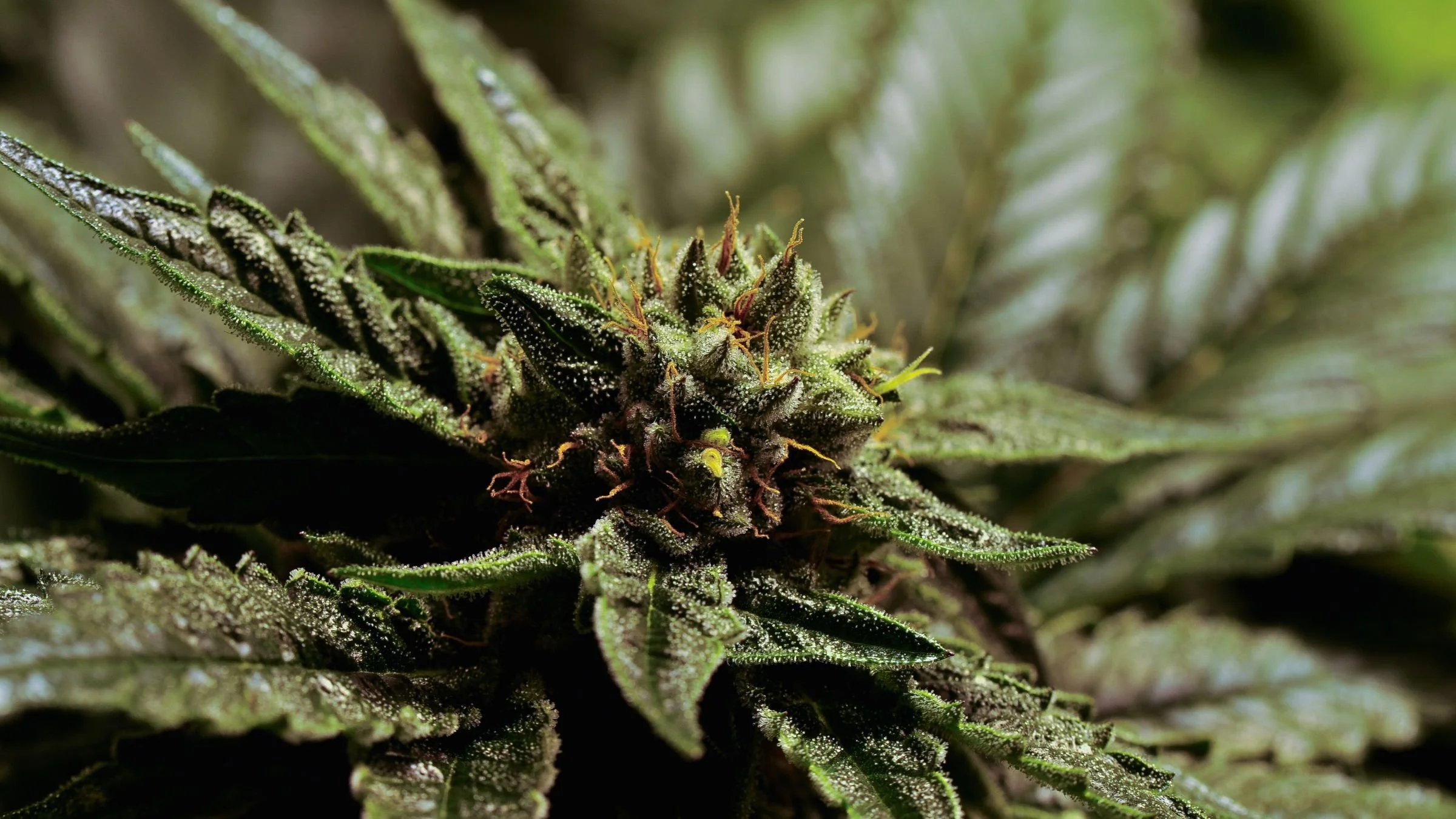
After vegging, cannabis clones transition into the flowering stage, focusing energy on producing dense, high-quality buds. Proper care during this period ensures healthy growth and a rewarding harvest.
Signs Your Clone Is Ready to Flower
Clones are ready to flower when internodes stretch, new pistils appear, and growth shifts from leaves to bud production. Adjusting light exposure and nutrient levels supports strong, healthy buds.
Harvesting Cannabis Clones Successfully
Harvesting at the right time is critical for potency, flavor, and aroma. Use sharp, clean scissors or pruning shears to trim branches and buds carefully. Monitoring trichomes and pistils helps determine the ideal harvest time, preventing overripe or underdeveloped flowers.
Key Harvest Tips:
Observe pistils and trichomes to determine readiness
Use sharp scissors or pruning shears for clean cuts
Handle buds gently to avoid bruising or damage
Trim excess leaves to improve curing efficiency and airflow
Quick Guide for Harvesting:
Curing and Preserving Bud Quality
Curing preserves flavor, aroma, and potency after harvesting. Store trimmed buds in a cool, dark place while monitoring humidity to prevent mold.
Tips for a Successful Clone Growing Cycle:
Monitormoisture carefully and avoid overwatering to prevent root issues
Provide adequate exposure to light during veg growth for optimal development
Apply rooting hormone to encourage young clones to develop strong roots quickly
Observe plant wellness daily to detect stress, pests, or nutrient deficiencies early
Next Steps for Successful Cannabis Clones
Proper clone care is crucial for cannabis cultivation, ensuring each weed plant develops strong, healthy, and capable of producing healthy flower. Paying attention to rooting, exposure to light, watering, and managing nutrients helps cannabis clones to thrive throughout every stage of growth.
By understanding the cannabis seeds of each clone, growers can maximize plant growth and achieve consistent, predictable results. Learning how to grow clones effectively prepares you for a successful harvest and a satisfying cultivation experience.
Continue your cultivation journey with Homegrown Cannabis Co, which has been one of my favorite educational resources. You can also browse their selection of options to match your growing environment and helping you deliver healthy cannabis plants for consistent high-quality results.
FAQs for Clone Care
There’s a lot of information out there on caring for cannabis clones, and it’s normal to still have questions. If you’re unsure about any part of the process, hit me up in the Comments, but here are a few of the most common questions growers ask when dialing in proper clone care.
-
Water clones when the growing medium begins to dry, but avoid watering daily, which can stress a juvenile plant. Monitor moisture levels carefully and adjust watering based on humidity, temperature, and clone size.
-
No. Cannabis clones don’t need 24 hours of light. About 18 hours of light per day is enough for vegetative growth. Increase light intensity gradually as the clones mature to avoid shocking them.
-
Yes, you can put clones directly into soil once they’ve developed solid roots. Use a light, nutrient-rich mix that drains well and is just slightly damp. Handle the clone gently so the roots stay undisturbed, which helps it settle in quickly without extra stress.
-
Most clones show significant growth within two to three weeks after rooting. Timing depends on strain, growing medium, and exposure to light.
-
Clones may wilt or die due to overwatering, insufficient light, or environmental stress. Maintaining proper humidity, adequate light, and balanced watering helps prevent common problems and ensures clones thrive.