Homesteading & Prepping for Beginners: A Field Report on Community Resilience
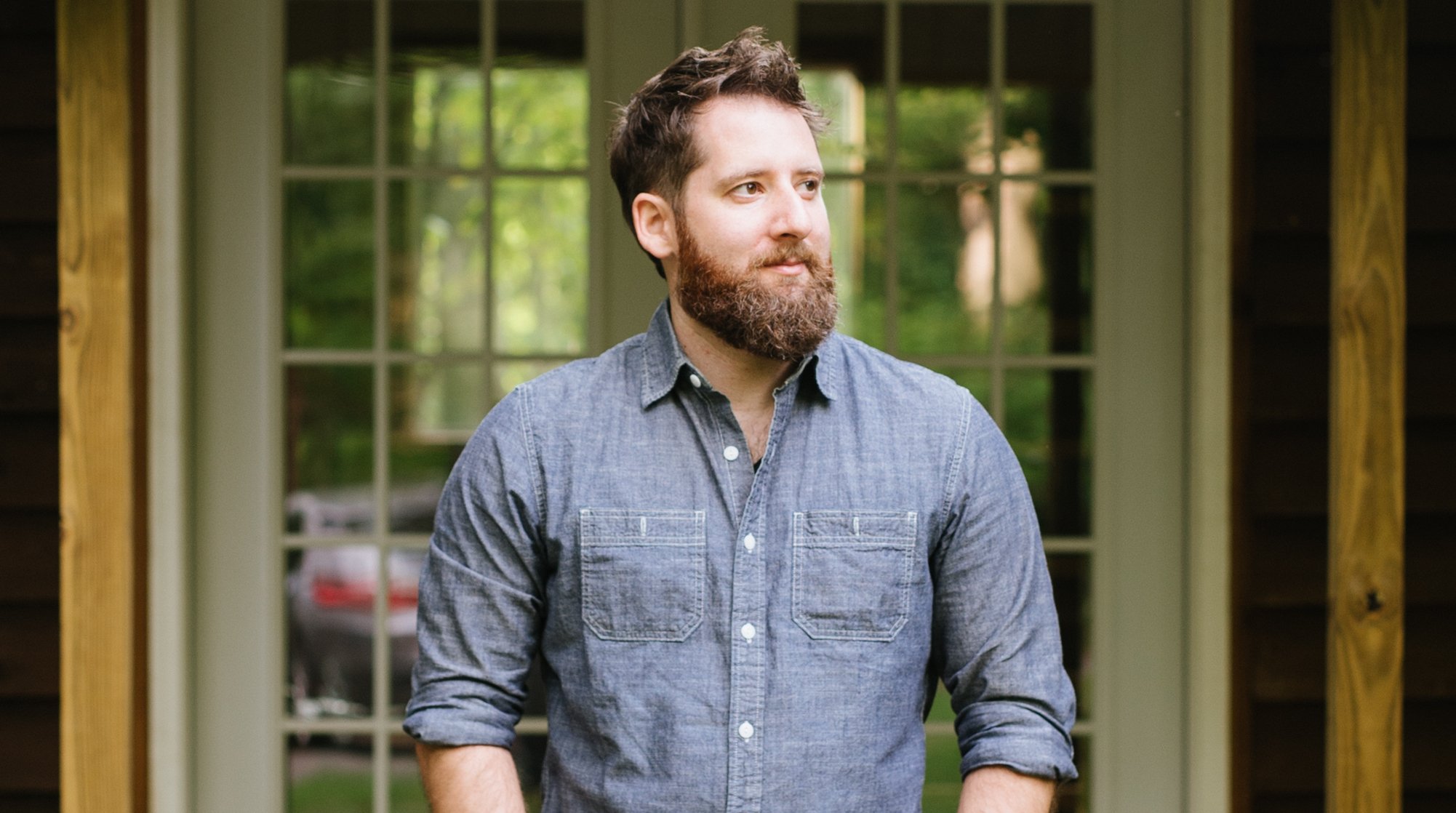
In early 2020, I was living in two worlds. In one, I was a novelist finishing off my book tour for WE CAN SAVE US ALL, a story about a college community grappling with escalating climate change and pre-apocalypse (while wearing superhero costumes). In the other, I was a father and husband in Charlottesville, Virginia, still reeling from the aftermath of the Unite the Right rally and watching the evening news about the coronavirus feeling a growing knot in my stomach.
I had spent thirteen years as an "armchair expert" on doomsday. I knew the lingo, the tropes, and the gear. But as the first whispers of a global pandemic began to dominate the headlines, I realized an uncomfortable truth: I didn't actually know how to do anything.
This is the story of the weekend that shifted everything — the weekend research became reality.




Inside the Kentucky Survival Expo: When Apocalypse Fiction Met Reality
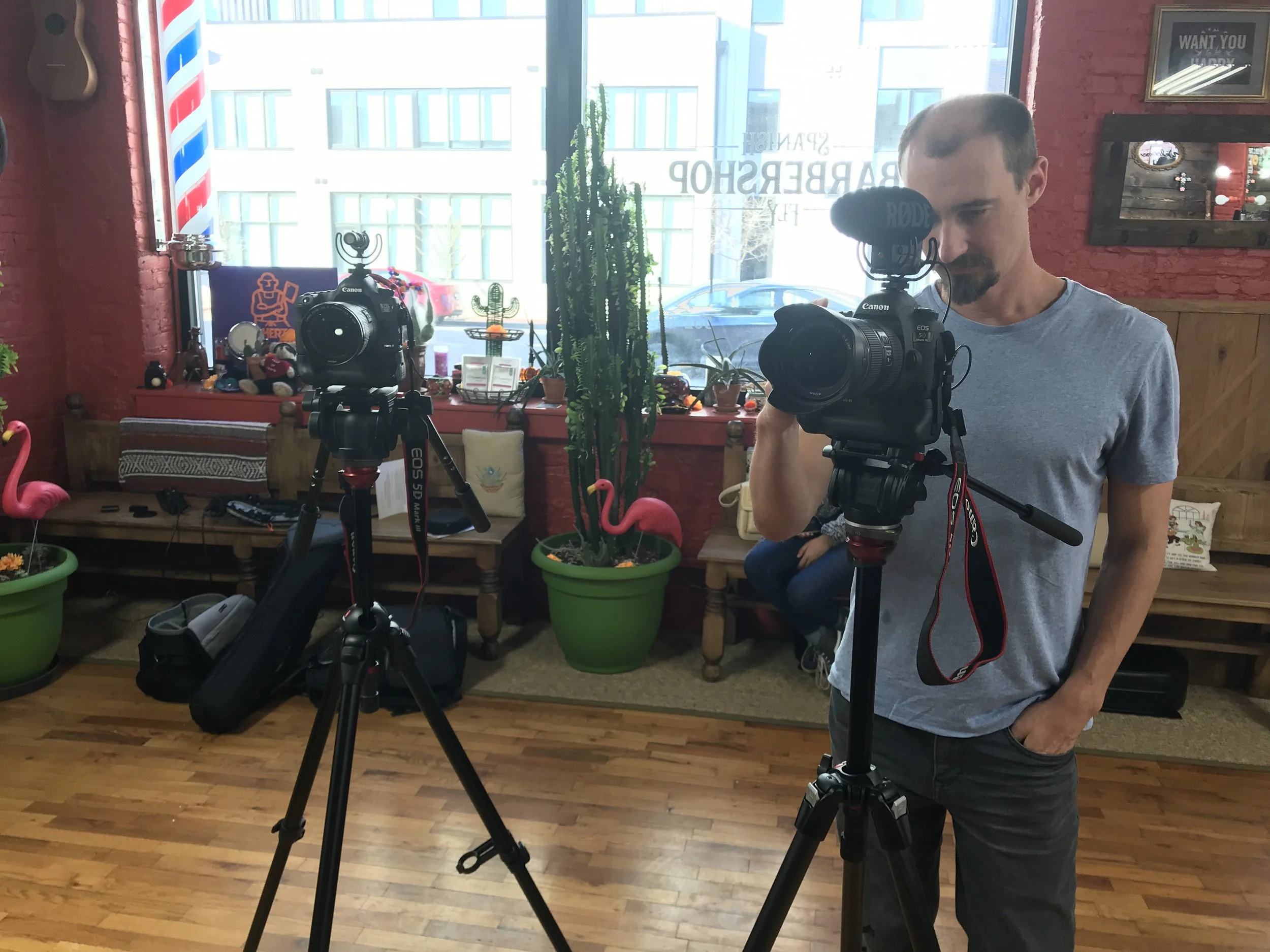
Walking into the Kentucky Expo Center on March 8, 2020 (a couple days before the country went into full pandemic lockdown), felt like stepping into a deleted scene from my own book. I wasn't there just to look at "toys." I was there to see if the people who had been preparing for years were actually ready for the event currently unfolding outside the doors.
What I found was a bleak, fear-based survival industry: lots of guns and ammo, very little sense of community. About 90% of the vendors were there to sell firearms or other weaponry, with a handful of booths selling emergency food/MREs, books, and bug-out bags. There was a generous amount of Trump merch, Confederate flag tchotchkes, and Nazi paraphernalia presented as “military history.”
All that said, I was curious to see if the experience as a whole would convince me to bite the bullet (literally) and buy some guns.
I get asked about the topic of security a lot — self defense and firearms — and most of what I have to say so far is captured in the Rolling Stone feature and the companion videos below.
The Rolling Stone Feature: Journal of a Progressive Prepper
Following that weekend, and over the ensuing year, I wrote a longform feature for Rolling Stone titled "Journal of a Progressive Prepper." It was a deep dive into the "prepper" subculture at the exact moment their theoretical apocalypse met the real world.
The article starts by exploring the surreal marketplace of the Expo — from the sales tactics of handgun vendors to the surprising philosophy of "inclusionary prepping" shared by seasoned survivalists.
Because the original article is now behind a paywall, I’ve made a PDF version available here as a historical archive for research purposes. I believe the lessons learned that weekend about community resilience are too important to be gated.

Why Community Resilience is the Ultimate Prepping Skill
During my reporting, I had the chance to sit down with two people who completely reframed my understanding of survival: archaeologist/author Chris Begley and survivalist Bob Gaskin.
Begley hit me with a "truth bomb" that still resonates: for many, the talk of apocalypse isn't a fear — it’s an exciting fantasy. It’s a longing for a world where your "toys" finally matter, and where you can finally “be the important person you imagine you ought to be.”
Bob Gaskin was decidedly one of these people, bu offered a surprisingly inclusive keynote address on “Society Ending Events.” His message was mixed and occasionally hypocritical, but at its core contained a certain simplicity at odds with most prepper rhetoric: if you spend your time building a bunker to hide from your neighbors, you’ve already lost. Real resilience is about having food, water, and first aid not just for yourself, but for anyone who shows up at your gate.
This “progressive prepping” philosophy became the bedrock of Thunderbird Disco. We don't build for the end of the world; we build for the beginning of a more resilient, community-focused future.
Conclusion: From Armchair Prepping to Active Community Resilience
Looking back at that footage from March 2020, I see a father who’d realized his "prepping" was entirely theoretical. I had the books, the research from the novel, and even some newly installed solar panels — but I didn't have the callouses or the community connections that actually keep a family safe.
Years later, Thunderbird Disco is the evolving result of that realization.
We’ve learned that the "apocalypse" doesn't usually look like a zombie movie; it looks like a power outage, a supply chain hiccup, or a neighbor who needs help. I may or may not have purchased a gun at the expo (if I did, I wouldn’t tell you; but I’ll admit that I did buy this sweet Tom Brown “Tracker” knife that’s proved to be much more consistently useful than any firearms so far). The most important tool I bought that weekend wasn't a carbon steel knife, however; it was the perspective that resilience is a team sport.
Whether you are here because you read the Rolling Stone piece or because you’re just looking for a way to build a better garden bed… hello neighbor. Let’s stop worrying about the end of the world and start building the one we actually want to live in.
Now, come with a beginner’s mindset and jump into some of our resilience pillars here:
Power (fossil fuels and renewables)
Food (animal and vegetable)
Drink (water and booze)
Shelter (building and repairing)
Plumbing (drainage and sanitation)
Medicine (herbal and chemical)
Mechanics (simple machines and engines)
Security (deterrents and weapons)
Communications (short- and long-range)
and, perhaps most importantly,Community Culture (mutual aid, arts, education, spirituality).
START HERE.
Join the Mission:
🛠️ Shop Thunderbird Disco Toolkits
🗞️ Subscribe for Updates
📽️ Watch More Video Content